
Skip to content

Faculty

Researchers and mentors advancing robotics across engineering and computer science.

People behind the robots

Expertise that crosses boundaries.

Our faculty bring together controls, perception, planning, mechanical design, artificial intelligence, and field experience.

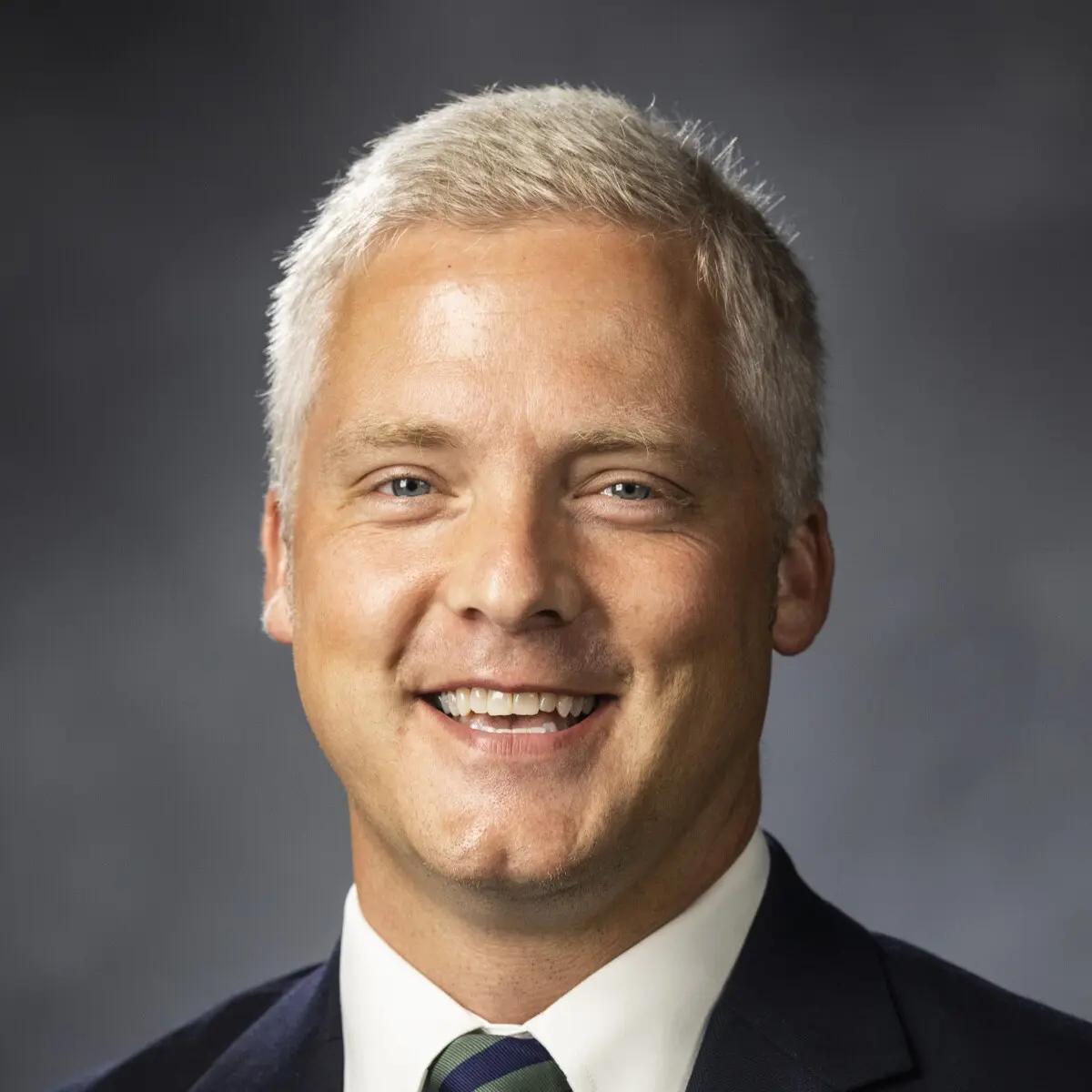
Randy Beard

Electrical and Computer Engineering

Randy Beard

Autonomous Systems, Unmanned Air Vehicles, Multiple Vehicle Coordination and Control

Randal W. Beard received the B.S. degree in electrical engineering from the University of Utah, Salt Lake City, in 1991, the M.S. degree in electrical engineering in 1993, the M.S. degree in mathematics in 1994, and the Ph.D. degree in electrical engineering in 1995, all from Rensselaer Polytechnic Institute, Troy, N.Y. Since 1996, he has been with the Electrical and Computer Engineering Department at Brigham Young University, Provo, UT, where he is currently holds the Steven V. White University Professorship and is the department chair. In 1997 and 1998, he was a Summer Faculty Fellow at the Jet Propulsion Laboratory, California Institute of Technology, Pasadena, CA. In 2006-2007 he was a National Research Council Fellow at the Air Force Research Labs at Eglin Air Force Base, Fort Walton Beach, Florida, where he worked on vision-based guidance and control algorithms for micro air vehicles.

View faculty profile
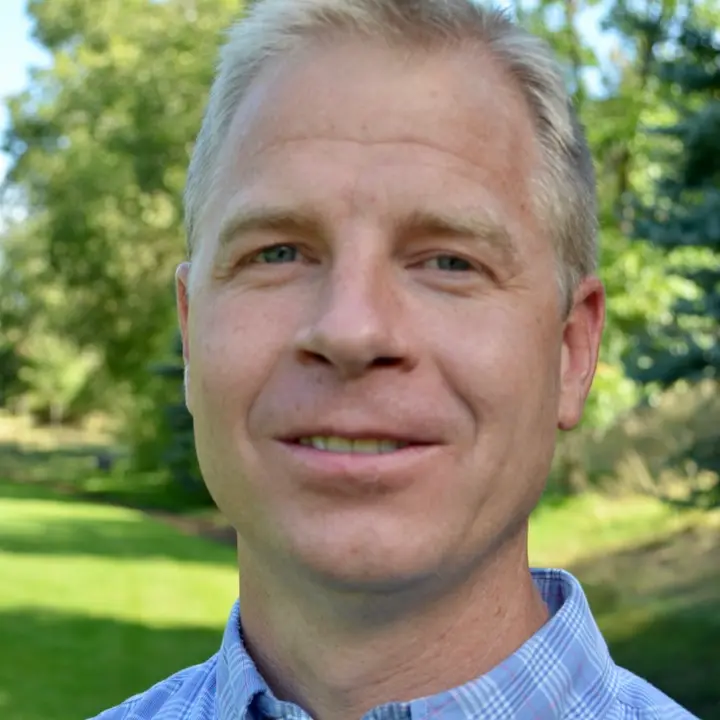
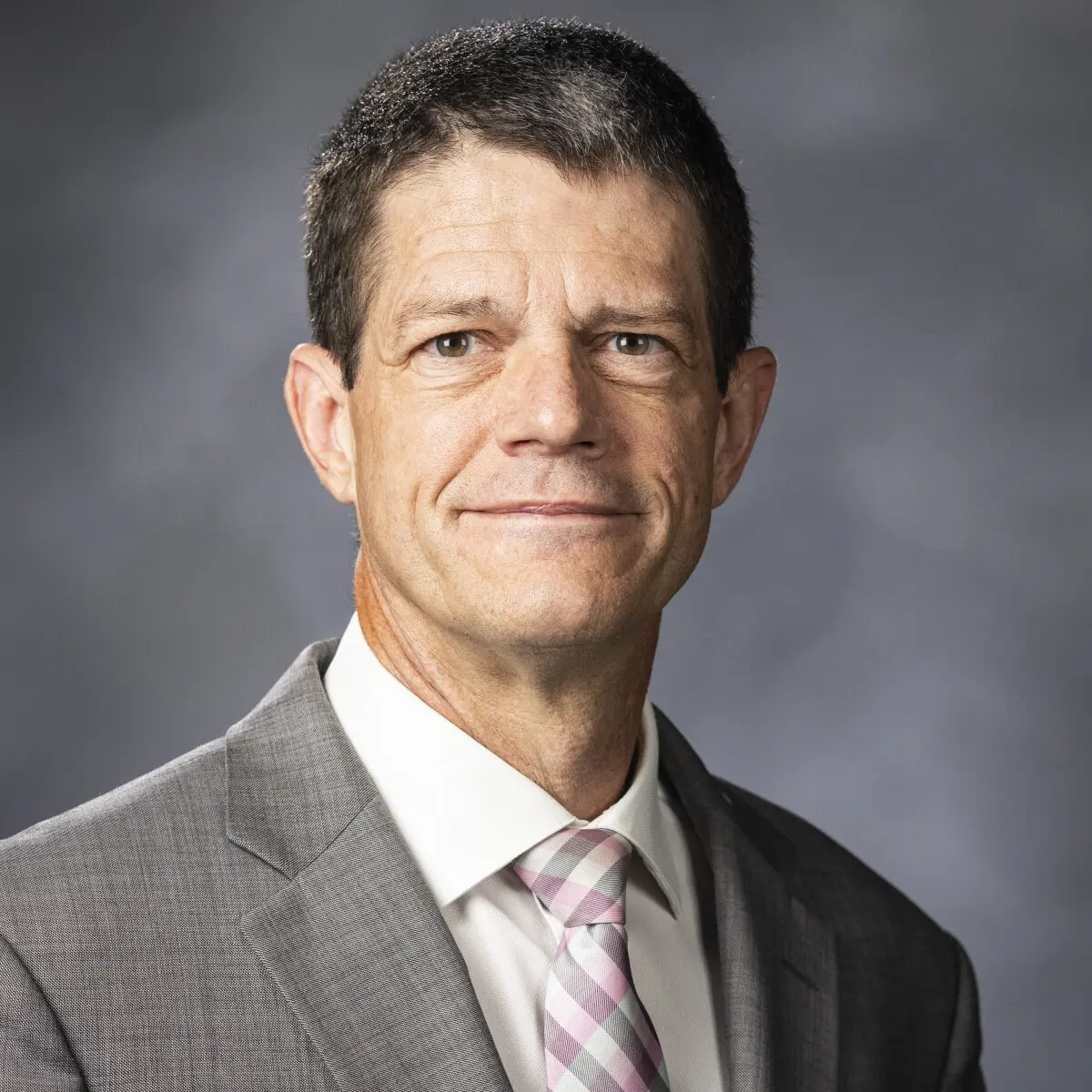
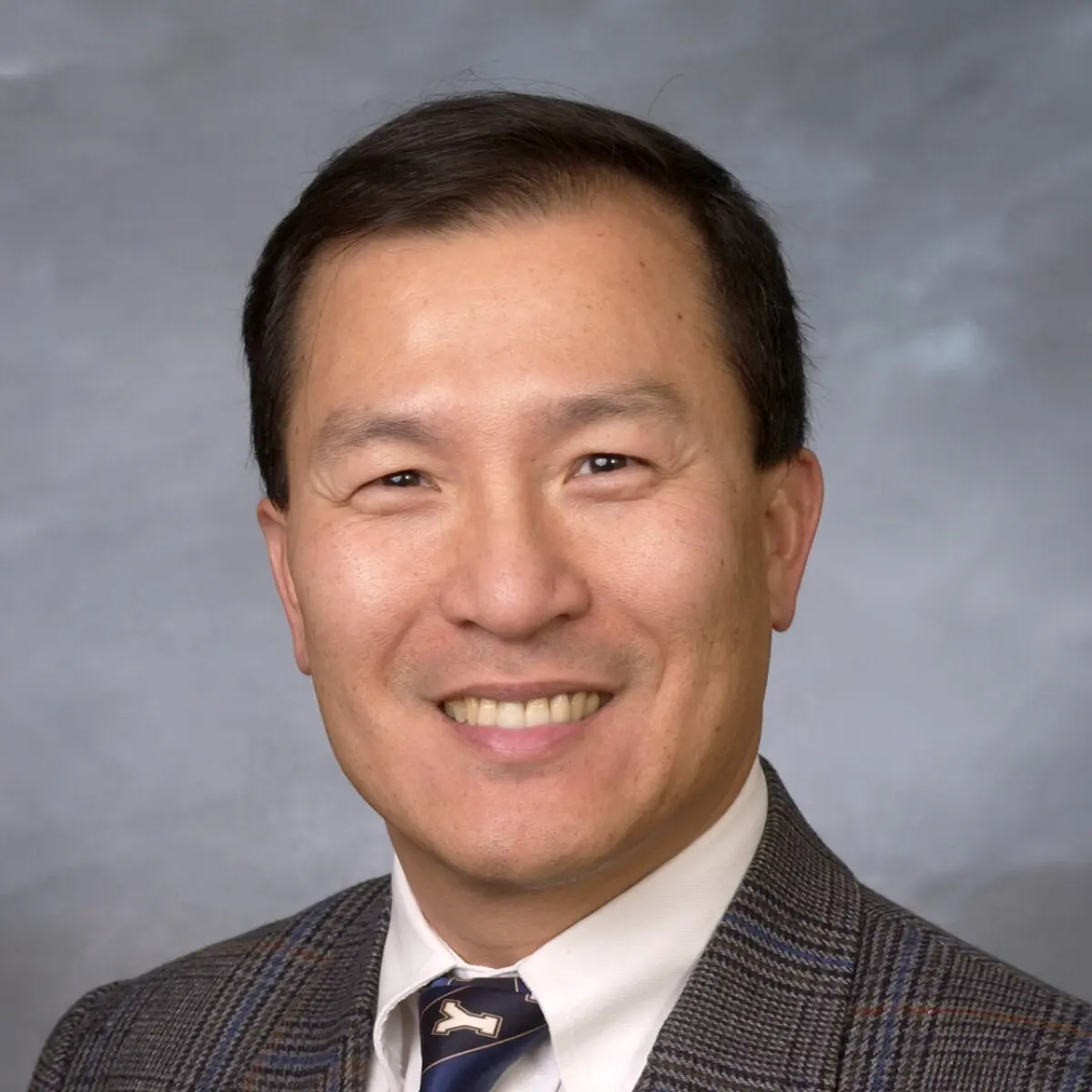
Jacob Crandall

Computer Science

Jacob Crandall

Human-Machine Cooperation, Multi-agent Systems, Robot Proficiency Self Assessment, Modeling Human Social Systems, Artificial Intelligence

Jacob Crandall received the B.S., M.S., and Ph.D. degrees in Computer Science from Brigham Young University, Provo, UT, in 2001, 2004, and 2006, respectively. From 2006 to 2008, he was a Postdoctoral Associate in the Department of Aeronautics and Astronautics at the Massachusetts Institute of Technology (MIT). Prior to returning to BYU in 2016, Jacob spent eight years as a faculty member at the Masdar Institute of Science and Technology, a new graduate-research university in Abu Dhabi, UAE formed in collaboration with MIT.

View faculty profile
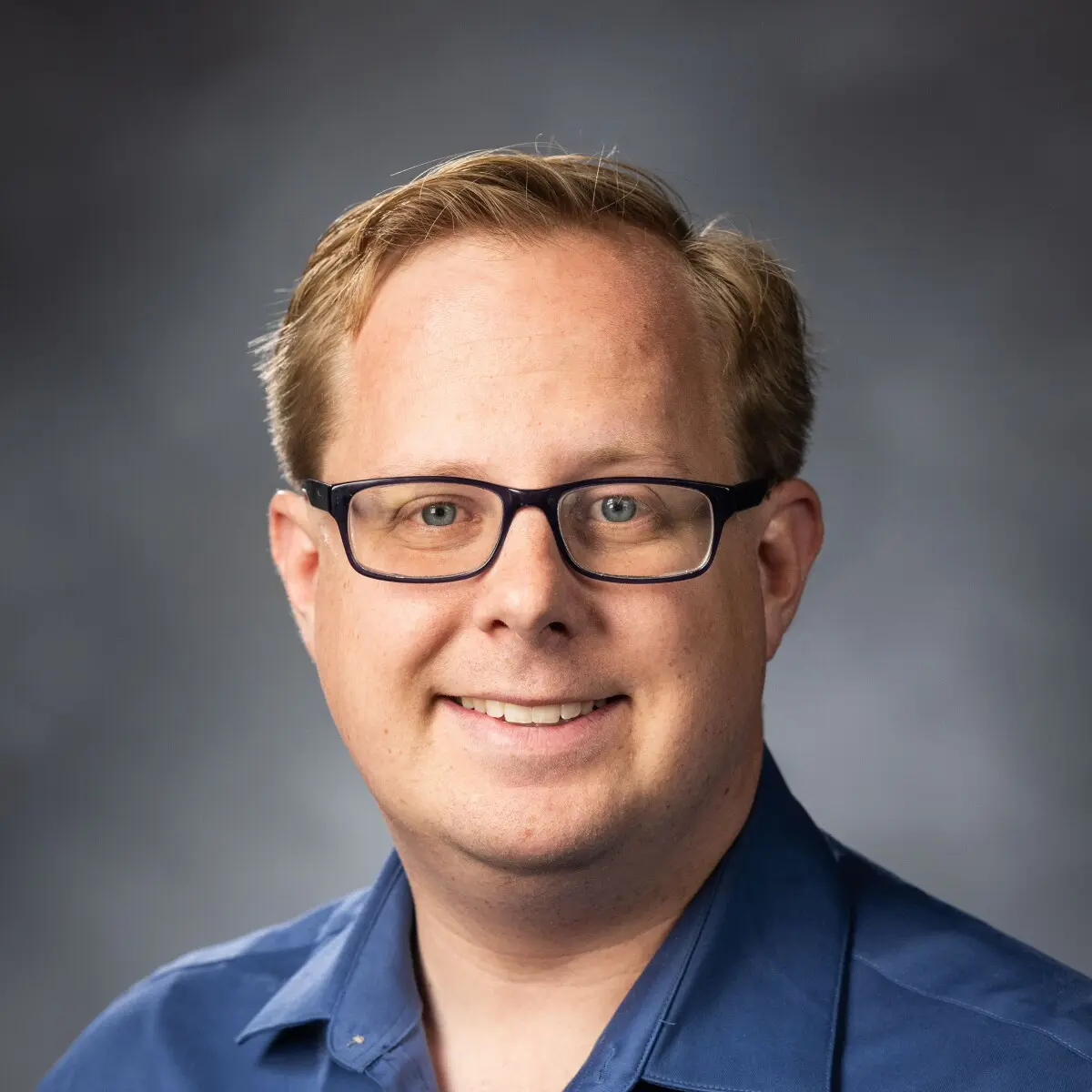
Mike Goodrich

Computer Science

Mike Goodrich

Human-Robot Interaction, Bio-Inspired Robot Swarms, Multiagent Systems, Artificial Intelligence

Michael A. Goodrich received his PhD at Brigham Young University in 1996 from the Electrical and Computer Engineering Department under the direction of Dr. Wynn Stirling. Following graduation, he completed a two year postdoctoral research associate position at Nissan CBR in Cambridge, Massachusetts. His doctoral work was in intelligent control, and his post-doctoral research was in computational models of intelligent human behavior. He has since spent time as a Visiting Research Fellow at the Adaptive Systems Research Group University of Hertfordshire (May - July 2008), a Visiting Scholar at Northeastern University China (July - August 2015), an ABC Robotics Helmsley Distinguished Fellow at Ben-Gurion University (June 2017), an Affiliate Faculty Member at Oregon State (Jan 2019), and the BYU Computer Science Department Chair (August 2014-July 2018). He is currently a Professor of Computer Science at BYU.

View faculty profile
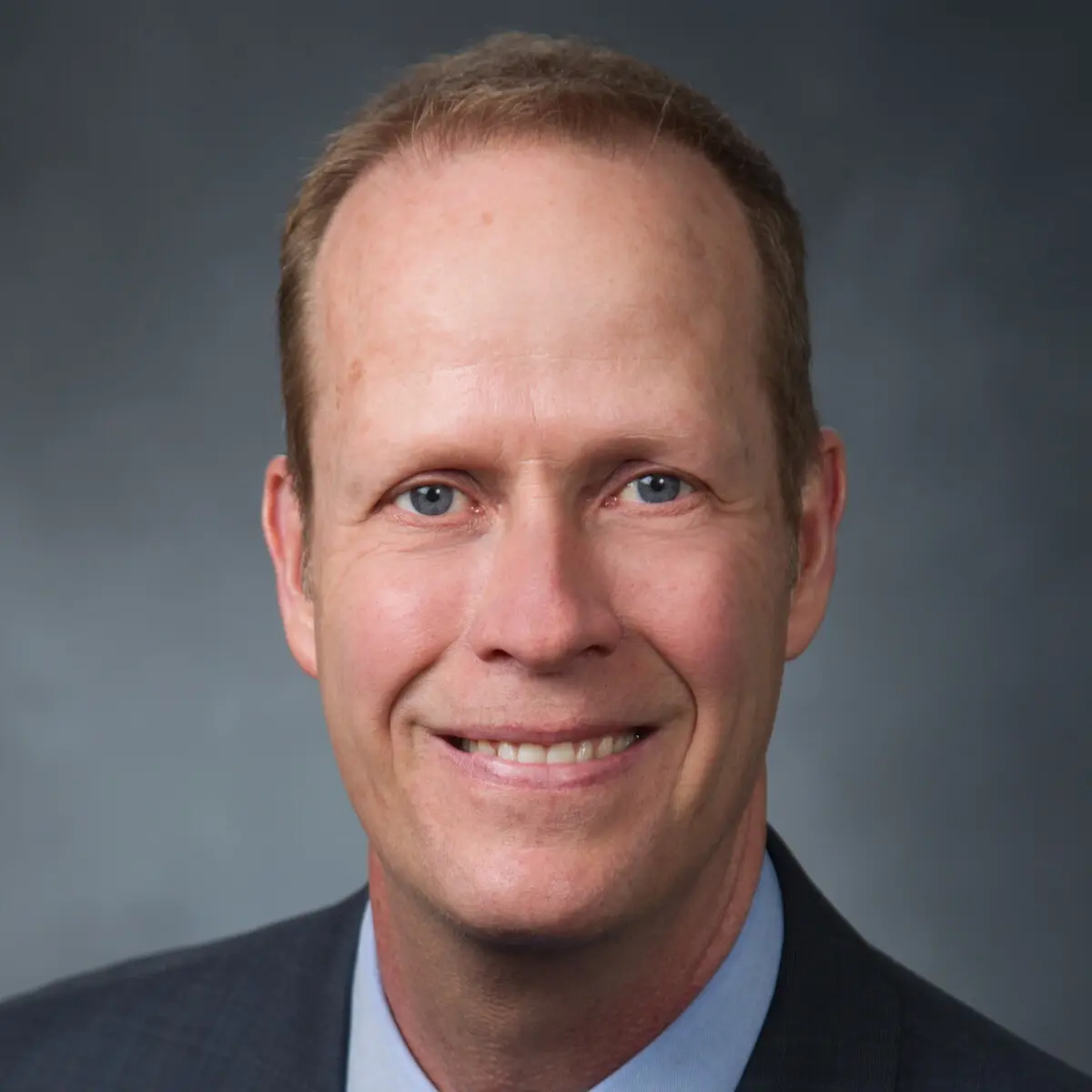
Marc Killpack

Mechanical Engineering

Marc Killpack

Soft Robotics, Human-Robot Interaction, Controls, Mechanics, Perception, Robot Manipulation, Computer Vision, 3D Sensing, Haptic Sensing

Marc Killpack completed his Ph.D. in Robotics from the Georgia Institute of Technology and joined BYU as an Assistant Professor in December of 2013. His areas of expertise include soft robotics, human-robot interaction, controls, mechanics and perception for robotics and other automated systems. His current research interests relate to improving modeling and control for robot manipulation in unstructured and difficult environments. This includes applications related to search and rescue, disaster response and human robot interaction. While at Georgia Tech in the Healthcare Robotics Lab (HRL), Marc worked on projects including sensing and control for mobile robot bases, automating learning from robot grasping, manipulation around and interacting with human subjects, and control of a robot arm in cluttered and unmodeled environments. Prior to joining HRL, he completed Masters degrees in Mechanical Engineering from both Georgia Tech and AM Paris Tech (formerly ENSAM) in Metz, France. In 2007, Marc graduated with a Bachelor's of Science in Mechanical Engineering from Brigham Young University.

View faculty profile
D.J. Lee

Electrical and Computer Engineering

D.J. Lee

Robotic Vision

Dr. D. J. Lee holds M.S. and Ph.D. degrees in Electrical Engineering from Texas Tech University and an MBA from Shenandoah University. He is a distinguished teacher, researcher, inventor, and entrepreneur with over a decade of experience in the machine vision industry before joining the faculty of Brigham Young University (BYU) in 2001. Currently, Dr. Lee serves as a Professor and the Director of the Robotic Vision Laboratory in the Electrical and Computer Engineering Department at BYU. In 2012, he co-founded Smart Vision Works, Inc., pioneering AI-based smart cameras for automated visual inspection in agriculture and food. Most recently, in July 2023, he founded Authentiface, Inc. to bring to market his innovative Facial Motion Authentication technology, developed at BYU. Dr. Lee’s research interests include artificial intelligence, high-performance visual computing, robotic vision, and automated visual inspection.

View faculty profile
Josh Mangelson

Electrical and Computer Engineering

Josh Mangelson

Reliability, Efficiency, robustness of Robotic Systems, Underwater Robots, Agricultural Robots, Self-Driving Cars

Joshua Mangelson received MS and PhD degrees in Robotics from the University of Michigan in 2016 and 2019 respectively. He then completed a post-doctoral fellowship in the Field Robotics Center of the Carnegie Mellon University Robotics Institute. He rejoined the BYU Electrical and Computer Engineering department (where he received a BS in 2014) as an Assistant Professor in August 2020. His research is focused on perception, navigation, planning, and state-estimation for mobile field robotic systems. He is especially interested in increasing the reliability, efficiency, and robustness of robotic systems that operate autonomously in complex unstructured environments. Particular application areas of interest include inspection and search of underwater marine structures, agricultural robotics, and self-driving cars.

View faculty profile
Tim McLain

Mechanical Engineering

Tim McLain

Dynamic Systems, Control System Design, Guidance, Dynamics, Control, Autonomy of Unmanned Aircraft Systems

Timothy W. McLain is a BYU professor of mechanical engineering. He received BS and MS degrees in mechanical engineering from BYU in 1986 and 1987, respectively. Prior to pursuing additional studies, he was a design engineer for the Center for Engineering Design at the University of Utah. He received a PhD in mechanical engineering from Stanford University in 1995, after which he joined the Mechanical Engineering Department at BYU.

View faculty profile
Brady Moon

Mechanical Engineering

Brady Moon

Assistant Professor in the Mechanical Engineering Department at Brigham Young University and a faculty member of the FROST Lab. His research focuses on autonomous information gathering, motion and path planning, and machine learning for field robotics in real-world applications.

View faculty profile
Cammy Peterson

Electrical and Computer Engineering

Cammy Peterson

Autonomy, Robotics, Decision-making under uncertainty, Path planning, Multi-agent systems, Hazard-aware autonomy, Resilient autonomous systems, Exploration-exploitation, Field robotics

Cammy Peterson is interested in robotics, autonomy, and decision-making for systems operating in uncertain and challenging environments. Her research focuses on enabling autonomous systems to make intelligent decisions while accounting for uncertainty, hazards, and changing mission objectives. She enjoys working with students on problems that combine theory, computation, and real-world robotic systems.

View faculty profile
James Usevitch

Electrical and Computer Engineering

James Usevitch

James Usevitch received MS and PhD degrees in Aerospace Engineering from the University of Michigan in 2020 and 2021, respectively. He worked as an Autonomous Systems Researcher / Technical Staff at MIT Lincoln Laboratory from 2021 to 2023. He joined the BYU Electrical and Computer Engineering department as an Assistant Professor in 2023. His work focuses on developing safe, intelligent, robust, and resilient multi-agent robotic and autonomous systems. Areas of particular interest include designing algorithms that allow for teams of autonomous robots or agents to safely operate despite the presence of faults or adversarial attacks, and uniting classical and machine learning algorithms through differentiable programming and scientific machine learning.

View faculty profile
Nathan Usevitch

Mechanical Engineering

Nathan Usevitch

Shape-Changing Truss Robots for Adaptable Space Structures, Jumping Robots, Origami Principles Applied to Engineering, Wearable Devices

Nathan Usevitch is an assistant professor of mechanical engineering at Brigham Young University and a principal investigator within the Compliant Mechanisms and Robotics Group. His research focuses on the design and development of unconventional robotic systems, including robots that use compliant mechanisms, soft materials, and novel mechanical architectures.

View faculty profile